

Why Grip Strength Is More Than Just a Strong Hand — It’s a Health Indicator!
Why Grip Strength Is More Than Just a Strong Hand — It’s a Health Indicator
If you’ve ever felt strong grip — or noticed friends with a weak handshake — you might be surprised: grip strength is increasingly recognized as a key indicator of overall health. Studies show that measuring handgrip strength can provide insight into muscle health, functional ability, long-term survival, and quality of life.
In this article you’ll learn:
-
What scientists mean by “grip strength”
-
How grip strength links to longevity, disease risk, and daily function
-
Why grip matters at any age
-
Simple ways to test and improve grip strength for better health
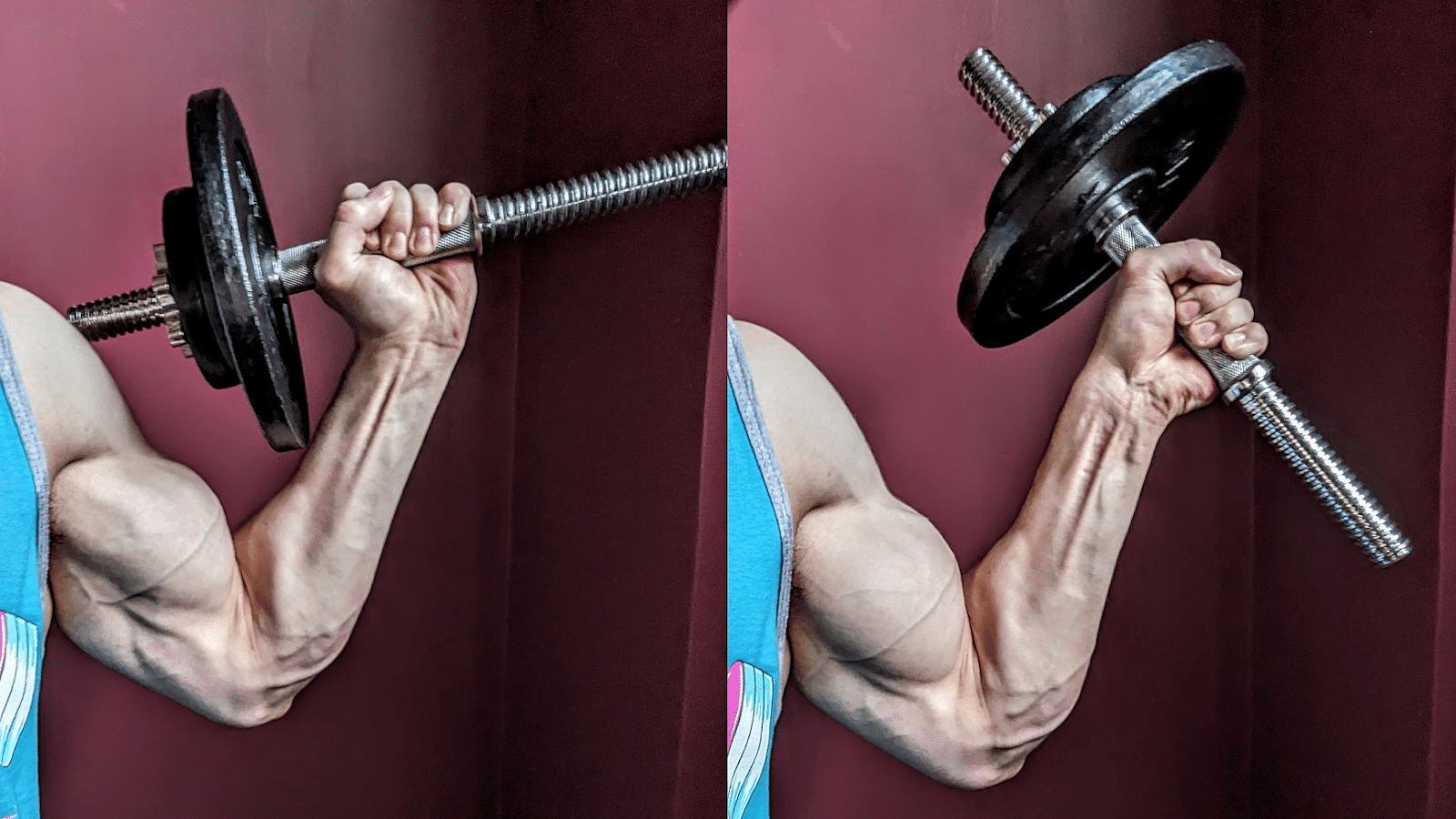
What Is Grip Strength — and Why It Matters
Grip strength refers to how strongly you can squeeze or hold something with your hand. While it might seem narrow, research shows it often reflects overall muscle and bone health, functional capacity, and metabolic fitness. 🧠 (UCLA Health)
In fact, one comprehensive review described grip strength as an “indispensable biomarker” for older adults — a simple, inexpensive measure that correlates with strength, bone density, risk of falls, malnutrition, and frailty. (PMC)
Because grip strength is easy to measure, it offers a quick snapshot of your body’s broader resilience and health — not just a snapshot of your hands.
Strong Grip Strength = Longer, Healthier Life
Grip Strength Predicts Mortality Risk
Multiple studies have found that lower grip strength strongly correlates with higher risk of all-cause mortality — including cardiovascular disease, cancer and general disease risk. (nature.com)
For example, a recent large-scale study concluded absolute grip strength (or adjusted grip strength considering body size) was one of the best predictors of long-term survival. (nature.com)
Another long-term study tracked men for over 25 years and found that those with lower grip strength in midlife were far more likely to face disability, mobility issues, or require assistance later in life. (JAMA Network)
Grip Strength and Quality of Life
Grip strength also ties directly to quality of life — not just length of life. A 2025 study of adults aged 50–90 found that those with greater hand grip strength reported higher overall quality of life, including better physical, social, and environmental functioning — regardless of age, gender or education. (nature.com)
This suggests grip strength supports everyday living: mobility, independence, social engagement, and the ability to do the things you love.
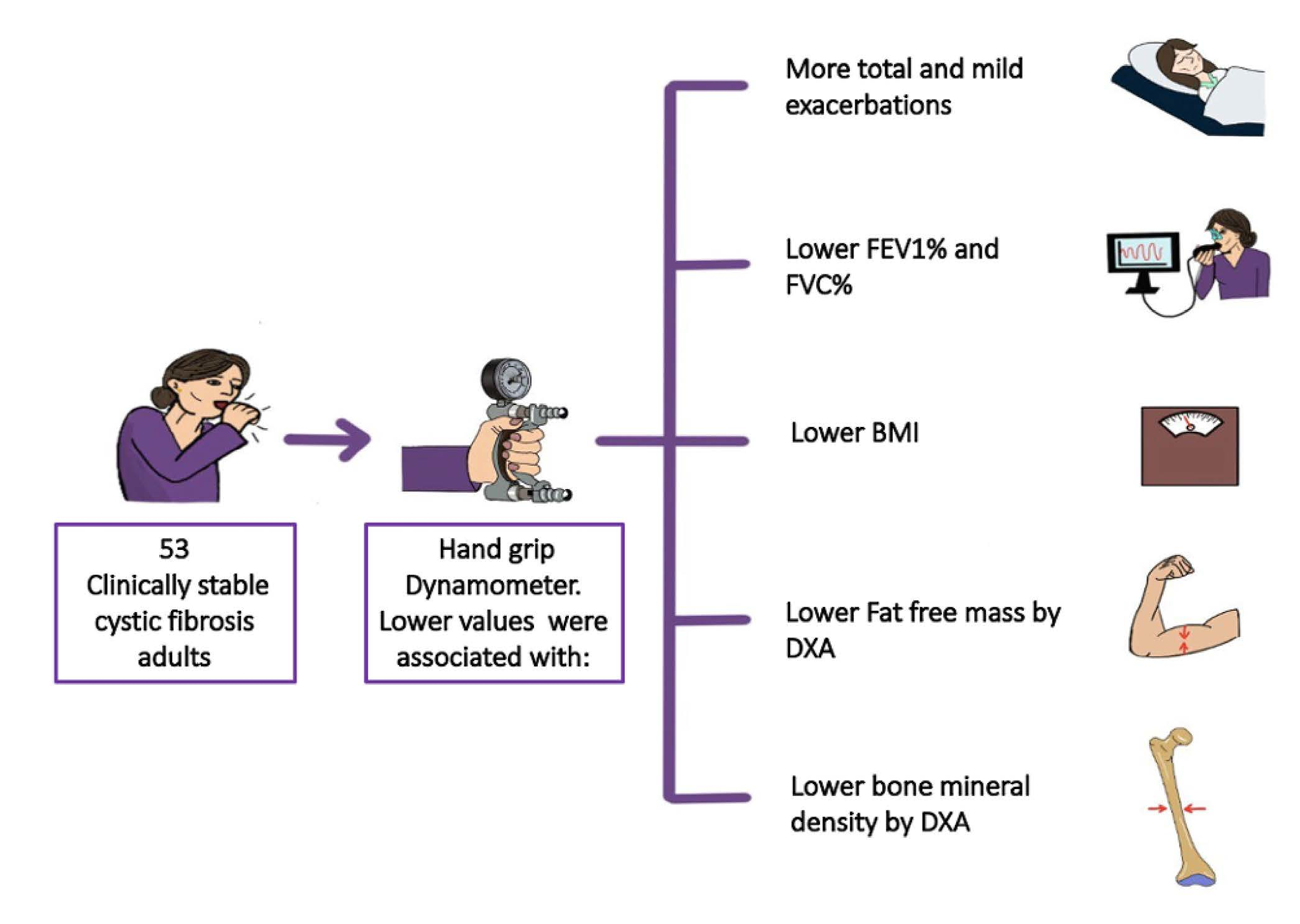
Grip Reflects Muscle Health, Bone & Metabolic Fitness
Grip strength is often used by doctors and researchers to gauge muscle mass and bone health. People with stronger grip tend to have better bone mineral density, reduced fracture risk, and stronger overall musculature. (UCLA Health)
Low grip strength may also indicate—or contribute to—conditions like sarcopenia (age-related muscle loss), frailty, or metabolic decline. (frontiersin.org)
Grip at Any Age: Why Early & Consistent Training Matters
You don’t need to be elderly to care about grip strength. Because grip strength predicts long-term mobility, functional ability, and disease risk, starting early — in your 20s, 30s, or 40s — gives you a “reserve” of strength as you age.
Even simple grip-strengthening exercises (hand–grip trainers, farmer’s walks, grippers, wrist rollers, etc.) and maintaining regular strength training can contribute meaningfully to long-term health. Strength training in general is associated with lower risk of non-communicable diseases and improved longevity. (Wikipedia)
Maintaining or improving grip strength can help safeguard mobility, independence, and overall well-being decades down the line.
How to Use Grip Strength as a Health Check & Improve It
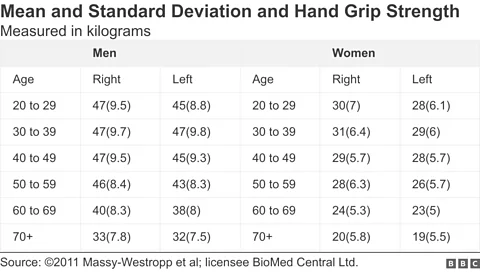
✅ Simple Home Grip Test
You don’t need fancy equipment — a hand-grip dynamometer (or many affordable grip trainers) can give you a rough measure of grip strength.
-
Track grip strength periodically (every few months) to see trends.
-
If you notice steady decline, it may signal a need to improve overall strength, mobility, or medical check-up.
🏋️♂️ Grip Training & Physical Strength Work
To build grip strength safely:
-
Use grippers, thick-bar lifts, farmer’s carries or wrist rollers.
-
Train consistently — full-body strength work benefits grip too.
-
Focus on balanced strength (don’t only work flexors; include wrist extensors / forearm muscles).
-
Allow proper recovery — tendon health, nutrition, and mobility matter.

Final Thoughts: Treat Grip Strength Like a “Health Vital Sign”
Grip strength isn’t just about crushing grip or lifting — it’s a window into your overall health and future well-being. Whether you’re young or older, strong or average now, focusing on grip strength as part of your fitness and health routine is a smart move.
Check your grip regularly, build strength safely, and view it as more than arm power — as part of your long-term health plan.
Strong grip, strong life.
Leave a comment